Why Half Your Drops in Flag Football Trace Back to One Hand
Quick Answer: Most dropped passes in flag football happen when the ball arrives on the non-dominant side of the body, because players unconsciously favor their dominant hand for the catch and don’t fully extend the other arm. A simple one-handed catching drill on the weaker side closes most of that gap within a few weeks.
You can catch anything thrown to your dominant side clean, but a pass angled slightly to the other shoulder turns into a fumble more often than it should — that’s not bad luck, it’s an untrained pattern.
Why do drops cluster on the non-dominant side?
Because most players’ hands naturally reach with the dominant arm first, even on throws angled toward the other shoulder — which means the non-dominant hand often arrives late and only partially extended, turning a catchable ball into a bobble.
This isn’t about hand strength. It’s a reach timing habit that forms early and just never gets specifically corrected, since most practice reps happen to land more often on the dominant side by chance.
What does a non-dominant catching drill actually look like?
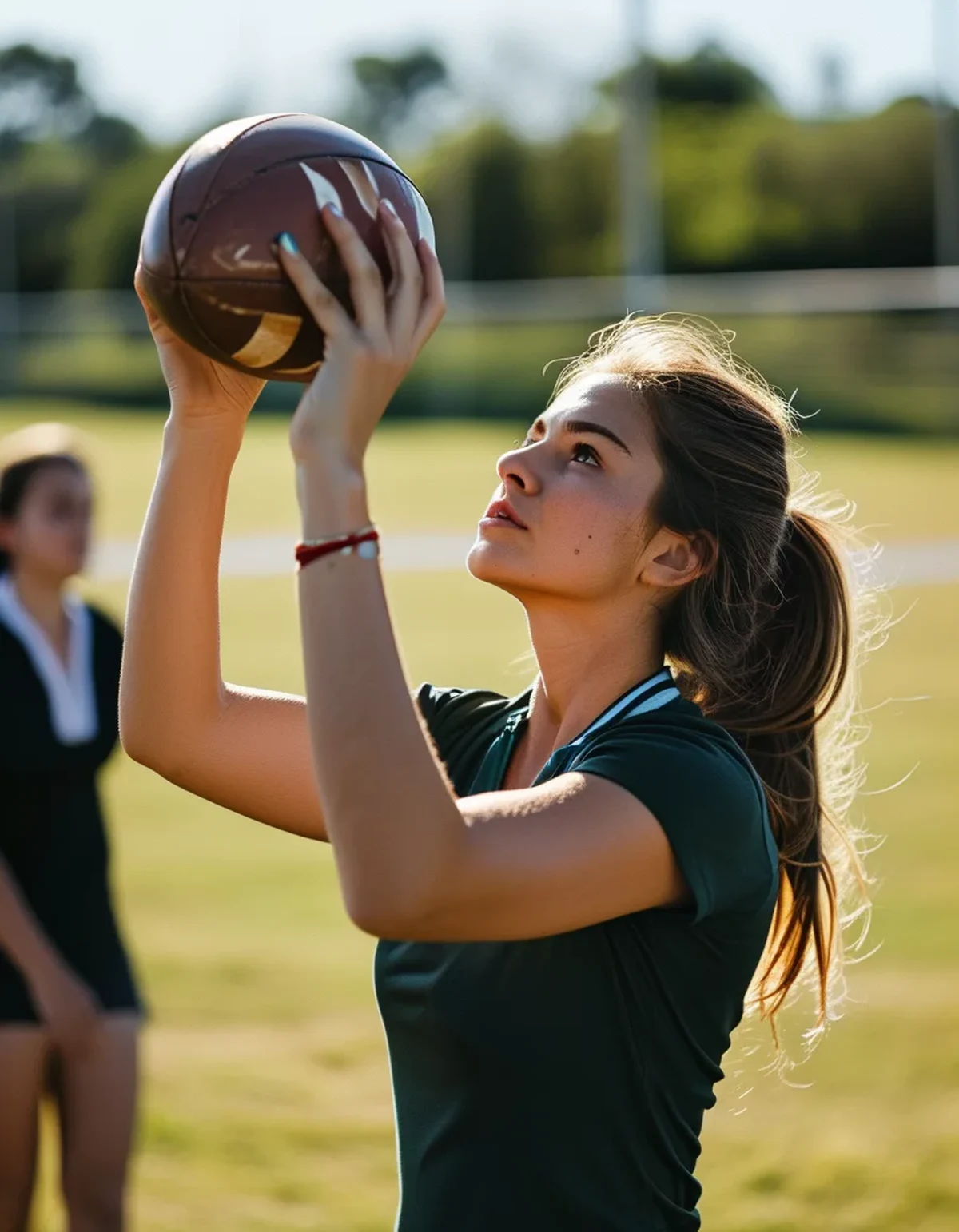
Have a partner throw soft, direct passes specifically to your weaker side for 10-15 reps, focusing only on full extension of the non-dominant arm before the ball arrives — not on catching cleanly yet, just on the reach habit.
Once the reach becomes automatic, add the catch back in. Most players notice a real difference in game drops within 2-3 focused practice sessions of this specific drill.
5 Mistakes That Make Non-Dominant Catching Worse
1. Only practicing catches you’re already good at. Comfortable reps don’t fix the actual gap — seek out the awkward angle on purpose.
2. Turning the body instead of extending the arm. Twisting to make every catch a dominant-hand catch avoids the problem instead of solving it.
3. Rushing the drill. Slow, deliberate reps build the correct reach pattern faster than fast, sloppy ones.
4. Ignoring footwork on that side. Non-dominant catches often need a corresponding foot plant that also goes untrained.
5. Stopping once it feels better in practice. The pattern needs to hold under game pressure and fatigue, which takes more reps than practice-only comfort suggests.
Does this actually matter for casual recreational leagues?
Yes, more than most players expect — in flag football specifically, quick accurate catches under light pressure decide a lot of possessions, and a consistent one-sided drop pattern is one of the most fixable weaknesses on a recreational roster.
Even 10 minutes a week of targeted non-dominant reps, sustained over a season, closes most of the visible gap without needing dedicated extra practice time.
FAQ: Flag Football Catching Questions, Answered
How long does it take to fix a non-dominant catching gap?
Most players see a noticeable in-game improvement within 2-4 weeks of consistent, focused drilling — it’s a fast-closing gap once specifically targeted.
Should you tell your quarterback about the weak side?
It can help short-term (they can favor your strong side), but the better long-term fix is closing the gap rather than routing around it permanently.
Does this drill help with anything besides catching?
Yes — the same extension habit carries over to defensive flag-pulling and general hand-eye coordination on that side.
TL;DR:
- Most drops cluster on the non-dominant side due to a reach timing habit, not weak hands
- Isolated non-dominant catching drills fix this faster than general practice
- Slow, deliberate reps build the pattern better than rushed ones
- Even 10 minutes a week closes most of the gap within a season
Next practice, ask a teammate to throw exclusively to your weak side for 10 reps — that’s the whole fix, just repeated.
Keep Reading
This article is for general informational and styling purposes only. Fit, sizing, and product availability may vary.