Reading the Defense in Flag Football: What to Actually Look For Before the Snap
Quick Answer: Before the snap, checking whether the defense is in man coverage (defenders lined up directly across from specific receivers, often moving with them pre-snap) versus zone coverage (defenders spaced across areas of the field) tells you which routes and plays are more likely to succeed — man coverage favors picks and rub routes, while zone coverage favors finding gaps between defenders.
Running the same called play regardless of the defensive look is one of the most common reasons an otherwise sound flag football offense underperforms.

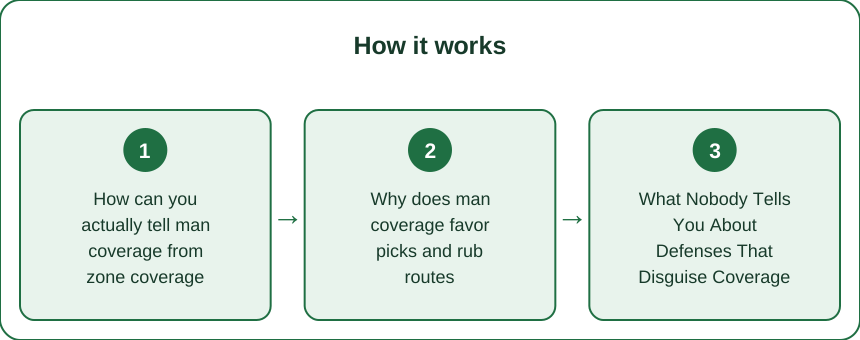
How can you actually tell man coverage from zone coverage pre-snap?
In man coverage, defenders typically line up close to and directly across from a specific offensive player, often shifting position when that player goes in motion; in zone coverage, defenders tend to be spaced more evenly across the field and generally don’t shift to follow individual player motion, staying oriented to their assigned area instead.
Why does man coverage favor picks and rub routes specifically?
Since man defenders are tracking a specific individual, routes that cross receivers’ paths closely (picks or rubs) can create momentary separation by making it harder for a defender to maintain their assigned coverage without running into a teammate or losing track of their target.
What Nobody Tells You About Defenses That Disguise Coverage
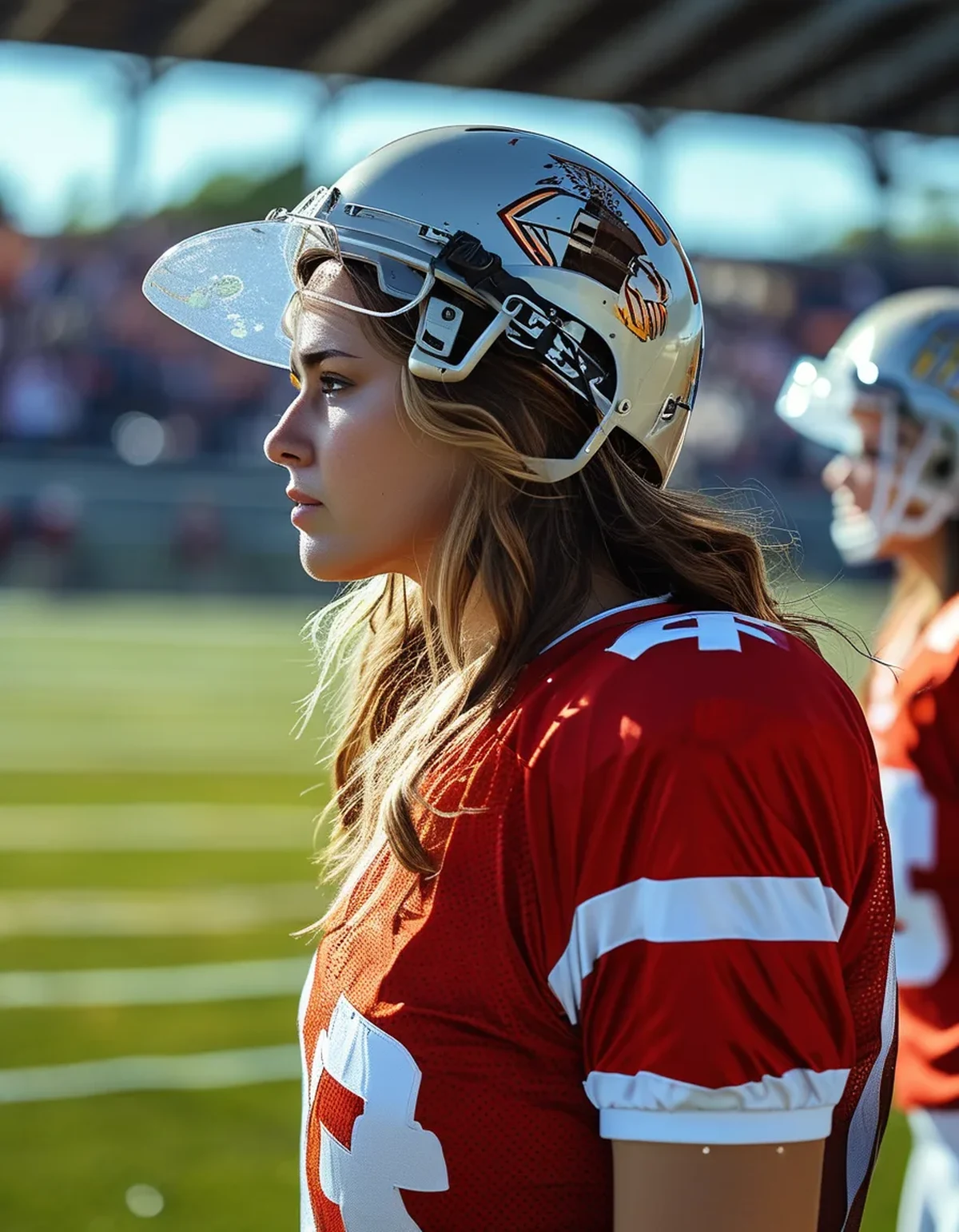
More experienced defenses sometimes line up showing one coverage type pre-snap, then shift into a different one right at the snap specifically to confuse a quarterback’s pre-snap read — recognizing this requires watching for subtle late shifts, and having a secondary read or checkdown option matters more against defenses that disguise coverage regularly.
Does field position change how much the defensive read should influence play calling?
Yes — near the end zone, with less field to work with, defenses often compress into tighter zone looks, which changes which routes have realistic room to work compared to open-field situations, making the pre-snap read even more important in that compressed area.
FAQ: Reading the Defense in Flag Football Questions, Answered
How long does it typically take to get comfortable reading coverage before the snap?
Most players report needing several games of deliberate practice specifically focused on this skill before pre-snap reads start feeling reliable rather than guessed.
Does this matter as much in casual pickup games as competitive leagues?
Even casual games benefit, since most defenses (even informal ones) tend to default to a rough man or zone tendency that’s identifiable with a bit of attention.
Should beginners focus on this before working on throwing mechanics?
Both matter, but coverage reading is generally a lower-barrier skill to start developing early, since it doesn’t require the same physical practice reps that throwing mechanics do.
TL;DR:
- Man coverage (defenders tracking specific players) favors picks and rub routes
- Zone coverage (defenders spaced by area) favors finding gaps rather than beating a specific defender
- Some defenses disguise coverage with late shifts, requiring a secondary read as backup
- Field position (especially near the end zone) changes which routes have realistic room to work
Checking the defensive look before the snap, rather than running the same play regardless, is what actually separates an effective offense from a predictable one.
Keep Reading
This article is for general informational and styling purposes only. Fit, sizing, and product availability may vary.