Flag Football Throwing Mechanics: The 3 Fixes That Actually Improve Accuracy
Quick Answer: Most flag football throwing accuracy problems come from three fixable mechanics: gripping the ball with fingers instead of the palm, throwing with the arm alone instead of rotating the hips and torso, and cutting the follow-through short. Fixing all three usually improves accuracy within a few practice sessions.
Your throws either sail high, wobble, or die short of the receiver — and it’s rarely an arm strength problem. It’s almost always one of three specific mechanical habits, and each has a quick fix you can practice without a game happening.
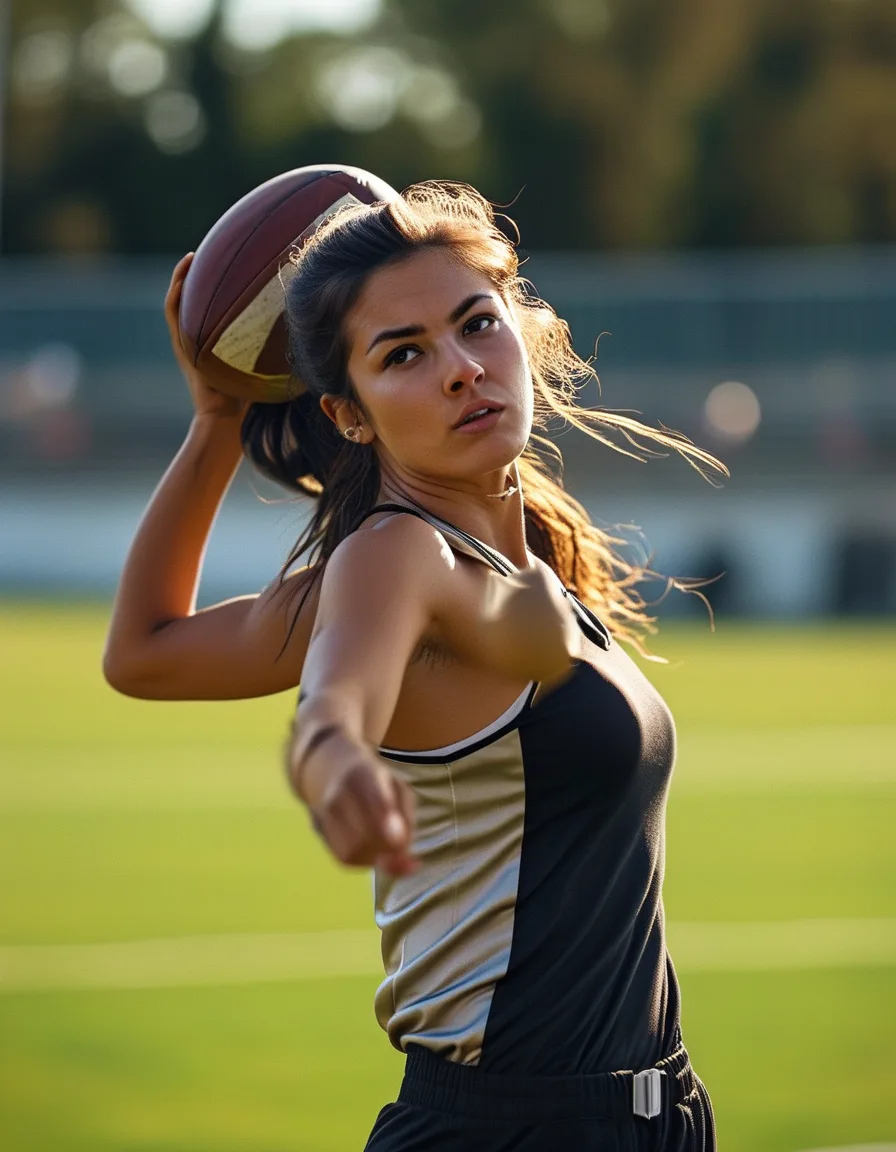
Fix 1: Grip with your fingers, not your palm
The ball should rest on your fingertips and pads, with a visible gap between the ball and your palm — a common beginner habit is cradling it deep in the palm, which kills spiral tightness and control.
Quick check: if you can’t wiggle the ball slightly in your grip before throwing, it’s too far into your palm.
Fix 2: Rotate your hips and torso, not just your arm
Arm-only throws are the single biggest accuracy killer — power and accuracy both come from hip and torso rotation transferring into the arm, the same kinetic chain used in a baseball throw or golf swing.
Practice this by starting with your non-throwing shoulder pointed at your target, then rotating through the throw rather than pushing the ball forward with the arm alone.
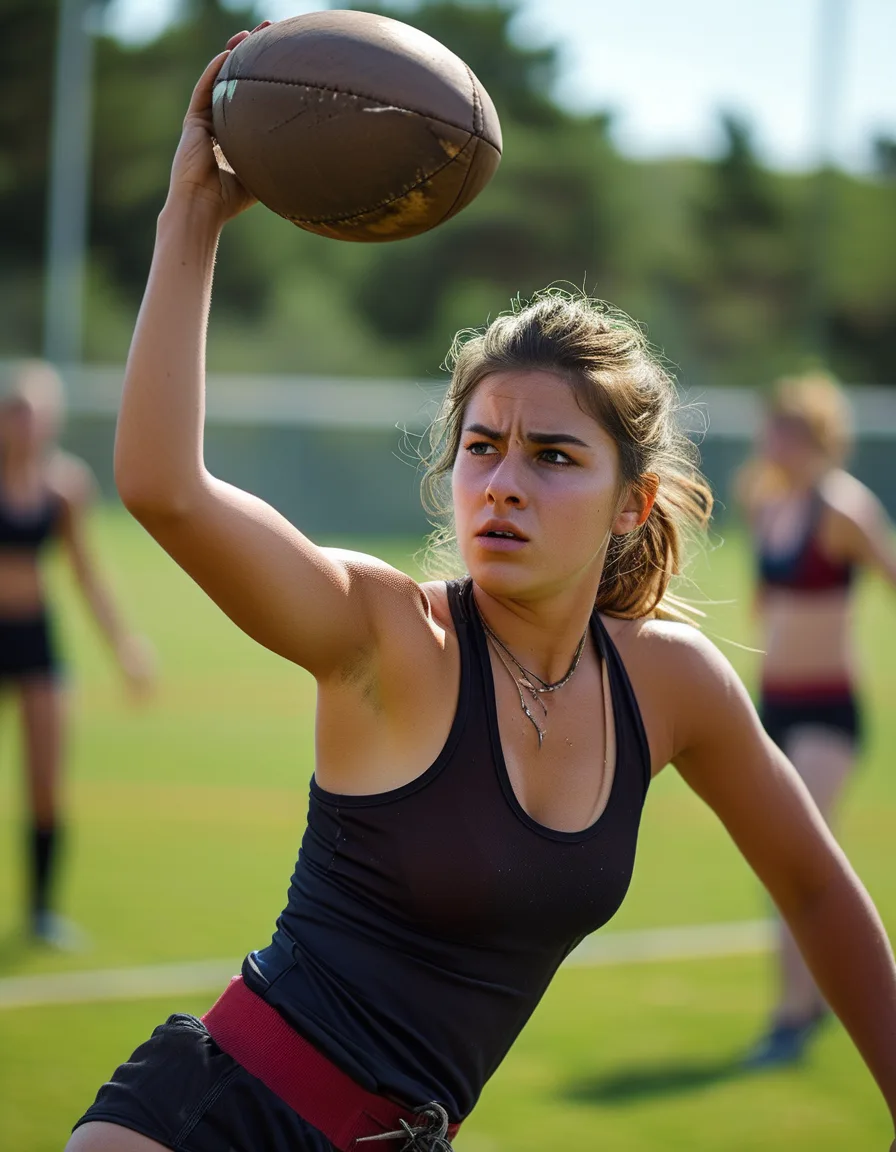
Fix 3: Follow through toward your target, not across your body
A short, cut-off follow-through is what causes throws to sail high or tail off unpredictably. Your throwing hand should finish pointed at your target, near your opposite hip, not stopped mid-motion.
A simple drill: throw against a wall and check where your hand ends up after release — if it’s not low and across your body toward the target, the follow-through is getting cut short.
What Nobody Tells You About Flag Football Throwing Under Pressure
Mechanics that look clean in a calm backyard drill often fall apart the instant a defender is closing in, because rushed throws revert to arm-only mechanics under pressure. The fix isn’t more arm strength — it’s practicing the full hip-rotation motion at game speed, with a rushing defender in drills, not just in slow, uncontested reps.
FAQ: Flag Football Throwing Questions, Answered
How long does it take to fix throwing mechanics?
Most recreational players see a noticeable accuracy improvement within 2-3 focused practice sessions once they isolate which of the three fixes applies to them.
Does hand size affect flag football throwing accuracy?
It affects grip comfort more than accuracy directly — smaller hands may need a slightly more finger-forward grip, but the same hip-rotation and follow-through principles apply regardless of hand size.
Should beginners practice throwing with a smaller ball?
A slightly smaller or youth-sized ball can help build correct finger placement habits before transitioning to a regulation ball, especially for players with smaller hands.
TL;DR:
- Grip the ball with fingers on the pads, palm off the ball
- Power and accuracy come from hip and torso rotation, not the arm alone
- Follow through low and across the body toward your target
- Practice full mechanics under simulated pressure, not just relaxed reps
All three fixes are trainable without a single game snap — a few focused practice sessions usually shows up immediately on the field.
Keep Reading
This article is for general informational and styling purposes only. Fit, sizing, and product availability may vary.