The Flag Pull Technique That Separates Good Defenders From Everyone Else
A lot of beginner flag football defenders approach pulling a flag as a simple grab-and-yank motion, which turns out to be slower and less reliable than the specific technique better defenders actually use. The difference isn’t athleticism, it’s a learnable mechanical detail. Here is why the beginner default technique underperforms, the specific mechanics that make a flag pull genuinely fast and reliable, and the common mistakes that cause missed or failed pulls even when a defender is in perfect position.
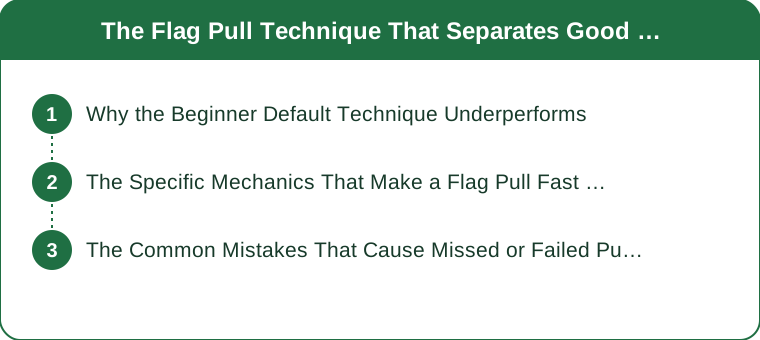
Why the Beginner Default Technique Underperforms
The mechanical problem: the the-a-two-handed-grab-and-yank-approach-is-slower-than-a-single-decisive-motion (the instinct to grab with both hands and pull hard adding an extra step and slowing down the actual pull compared to a single quick decisive motion — the the-two-handed-grab-and-yank-instinct-adds-an-unnecessary-extra-step-that-slows-down-the-pull-compared-to-a-single-decisive-motion), the the-reaching-for-the-flag-while-still-decelerating-or-changing-direction-reduces-both-speed-and-accuracy-of-the-pull (the attempting the pull while the defender’s own body is still adjusting speed or angle rather than from a stabilized approach, reducing both the speed and accuracy of the actual grab — the attempting-the-pull-while-still-decelerating-or-changing-direction-reduces-both-the-speed-and-accuracy-of-the-actual-grab-compared-to-pulling-from-a-stabilized-approach), the the-grabbing-at-the-flag-itself-directly-rather-than-targeting-the-belt-clip-area-reduces-reliability-since-flags-can-slip-through-a-direct-grab (the aiming directly at the visible flag fabric rather than the belt attachment point reducing reliability, since the flag material itself can slip through fingers more easily than a firmer grip near the clip — the aiming-directly-at-the-flag-fabric-itself-rather-than-nearer-the-belt-clip-attachment-point-reduces-grip-reliability-since-the-flag-material-can-slip-through-fingers-more-easily), the the-approaching-straight-on-rather-than-from-a-slight-angle-makes-the-runner-easier-to-evade-the-attempt-through-a-simple-lateral-move (the a straight-on approach angle being easier for a ball carrier to evade with a simple lateral juke than an angled approach that cuts off more escape routes — the a-straight-on-approach-angle-is-easier-for-a-ball-carrier-to-evade-with-a-simple-lateral-move-than-an-angled-approach-that-cuts-off-more-of-the-available-escape-routes), the the-most-beginner-flag-football-instruction-emphasizes-general-positioning-and-speed-but-spends-little-time-on-the-actual-hand-mechanics-of-the-pull-itself (the widely available beginner instruction generally covering broader defensive concepts while under-addressing the specific fine hand-mechanics of the pull itself from the womens-flag-football-guide logic — the the-widely-available-beginner-instruction-generally-covers-broader-positioning-concepts-while-under-addressing-the-specific-fine-hand-mechanics-of-the-pull-motion-itself), and the reframe (the beginner default technique’s underperformance as a specific, identifiable set of mechanical habits — a two-handed grab, an unstabilized approach, targeting the flag fabric rather than the clip, and a straight-on approach angle — each individually fixable rather than a general athleticism gap)).
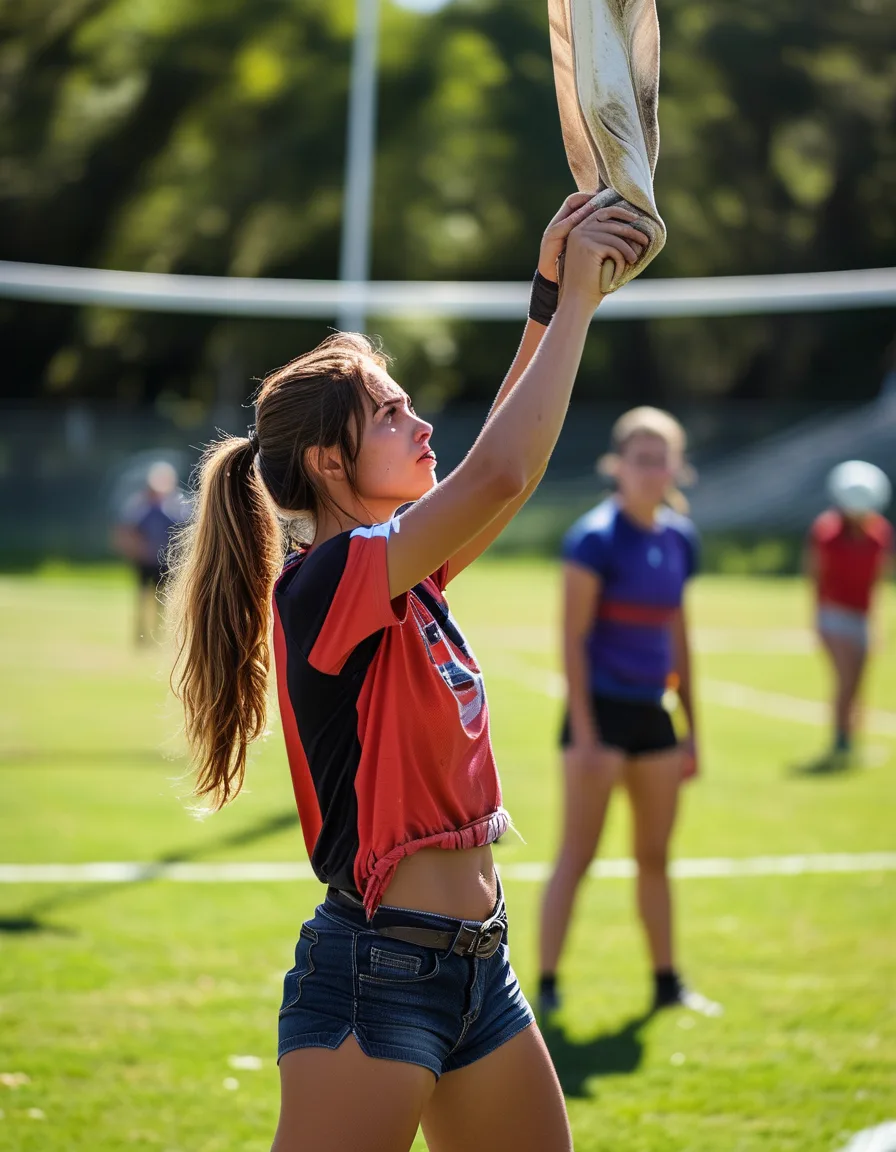
The Specific Mechanics That Make a Flag Pull Fast and Reliable
The actual technique: the use-a-single-decisive-hand-for-the-pull-rather-than-a-two-handed-grab (the committing to one quick, decisive hand motion for the actual pull rather than a slower two-handed approach, freeing the other arm for balance and positioning — the committing-to-one-quick-decisive-hand-motion-for-the-pull-rather-than-a-slower-two-handed-approach-frees-the-other-arm-for-balance-and-positioning-simultaneously), the the-stabilize-your-own-body-angle-and-speed-just-before-the-actual-pull-attempt-rather-than-reaching-mid-transition (the timing the actual grab from a momentarily stabilized stance rather than mid-deceleration or mid-direction-change, improving both the speed and accuracy of the motion — the timing-the-actual-grab-attempt-from-a-momentarily-stabilized-stance-rather-than-mid-deceleration-or-mid-direction-change-improves-both-the-speed-and-accuracy-of-the-resulting-motion), the the-target-the-area-near-the-belt-clip-rather-than-the-loose-flag-fabric-itself-for-a-more-reliable-grip (the aiming the grab specifically toward the firmer clip attachment area rather than the loose hanging fabric, for a grip less likely to simply slip through — the aiming-the-grab-specifically-toward-the-firmer-clip-attachment-area-rather-than-the-loose-hanging-fabric-produces-a-grip-thats-considerably-less-likely-to-simply-slip-through), the the-approach-from-a-slight-angle-that-cuts-off-the-ball-carriers-easiest-lateral-escape-route-rather-than-straight-on (the deliberately choosing an angled rather than head-on approach path specifically to reduce the ball carrier’s easiest evasion options — the deliberately-choosing-an-angled-rather-than-head-on-approach-path-specifically-reduces-the-ball-carriers-easiest-available-evasion-options-compared-to-a-straight-on-approach), the the-keep-eyes-on-the-flag-and-hip-area-specifically-rather-than-on-the-ball-carriers-upper-body-or-head-which-can-be-used-to-fake-direction (the tracking the hip and flag area specifically rather than the more easily faked upper body or head movements, since hip position more reliably predicts actual direction — the tracking-the-hip-and-flag-area-specifically-rather-than-the-more-easily-faked-upper-body-or-head-movements-more-reliably-predicts-the-ball-carriers-actual-direction), and the frame (the specific mechanics as a single decisive hand for the pull, a stabilized approach angle before attempting the grab, targeting near the clip rather than the flag fabric, an angled rather than straight-on approach, and tracking hip position rather than upper body — a specific, learnable technique distinct from raw speed or athleticism).
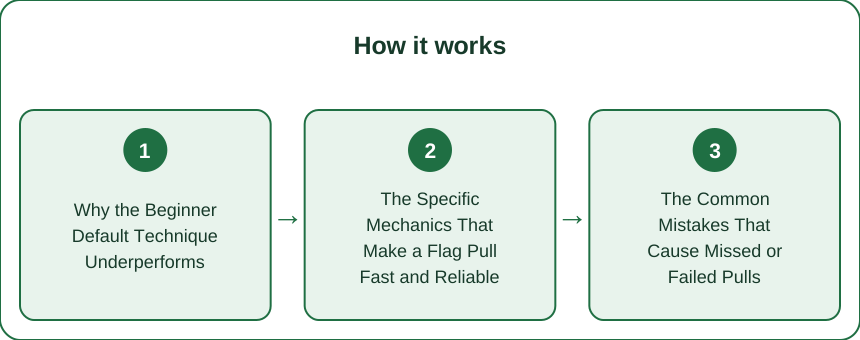
The Common Mistakes That Cause Missed or Failed Pulls
What still goes wrong even with good positioning: the lunging-for-the-flag-from-too-far-away-rather-than-closing-distance-first (the attempting the pull from beyond a reliable range rather than closing to an appropriate distance first, a timing error distinct from hand technique itself — the attempting-the-pull-from-beyond-a-reliable-range-rather-than-closing-to-an-appropriate-distance-first-is-a-timing-error-thats-distinct-from-the-hand-technique-itself), the the-grabbing-too-early-before-the-flag-is-actually-within-reach-tips-off-the-ball-carrier-and-gives-them-time-to-react (the a premature grab attempt visibly signaling the intent before actually being close enough to succeed, giving the runner a reaction window to evade — the a-premature-grab-attempt-visibly-signals-the-intent-before-actually-being-close-enough-to-succeed-which-gives-the-runner-a-reaction-window-to-evade-the-attempt), the the-following-the-flag-with-your-eyes-and-hand-as-it-moves-rather-than-anticipating-where-it-will-be (the reactively chasing the flag’s current position rather than anticipating its trajectory based on the runner’s hip movement, resulting in a consistently late grab — the reactively-chasing-the-flags-current-position-rather-than-anticipating-its-trajectory-based-on-the-runners-hip-movement-results-in-a-consistently-late-grab), the the-losing-balance-or-overextending-during-the-pull-attempt-which-both-fails-the-pull-and-costs-recovery-time-afterward (the reaching beyond a stable base of support during the attempt, which both reduces success rate and costs extra time recovering balance afterward regardless of the outcome — the reaching-beyond-a-stable-base-of-support-during-the-attempt-both-reduces-the-success-rate-of-the-grab-itself-and-costs-extra-recovery-time-afterward-regardless-of-the-outcome), the the-not-practicing-the-specific-pull-motion-in-isolation-and-only-ever-practicing-it-live-during-full-scrimmage-play (the skipping isolated repetition of the pull motion itself and only encountering it live during full-speed scrimmage, which doesn’t allow the same volume of focused mechanical repetition from the flag-football-conditioning-guide logic — the skipping-isolated-repetition-of-the-pull-motion-itself-and-only-encountering-it-live-during-full-speed-scrimmage-doesnt-allow-the-same-volume-of-focused-mechanical-repetition-that-actually-builds-the-skill), and the frame (the common failure points as lunging from too far away, grabbing prematurely and tipping off the runner, reactively chasing rather than anticipating flag position, losing balance during the attempt, and never isolating the pull motion for dedicated practice repetitions — specific fixable errors distinct from the core technique itself, worth addressing separately even once the basic mechanics are correct).
The instinctive two-handed grab-and-yank approach to pulling a flag is slower and less reliable than the technique better defenders actually use, which relies on a single decisive hand motion timed from a momentarily stabilized approach rather than attempted mid-deceleration, targeting the firmer area near the belt clip rather than the loose flag fabric that can simply slip through fingers, and approaching from a slight angle that cuts off the ball carrier’s easiest lateral escape rather than head-on. Tracking the runner’s hip position specifically, rather than more easily faked upper body or head movement, more reliably predicts actual direction and timing for the pull. Even with correct core technique, common mistakes still cause missed pulls: lunging from too far away instead of closing distance first, grabbing prematurely and tipping off the runner before actually being in range, reactively chasing the flag’s current position instead of anticipating its trajectory, losing balance during the attempt, and never isolating the pull motion itself for dedicated practice repetitions outside of live scrimmage play.
Keep Reading
This article is for general informational and styling purposes only. Fit, sizing, and product availability may vary.